Funding is Not a Transaction—It’s a Social Judgment.
Entrepreneurs often view finance as a technical hurdle: prepare the pitch, meet the right people, and win with numbers. But research reveals a deeper reality: funding is a judgment made under extreme uncertainty. Outsiders aren't just buying your product; they are deciding if you are credible and if your story fits their internal image of a "promising founder".
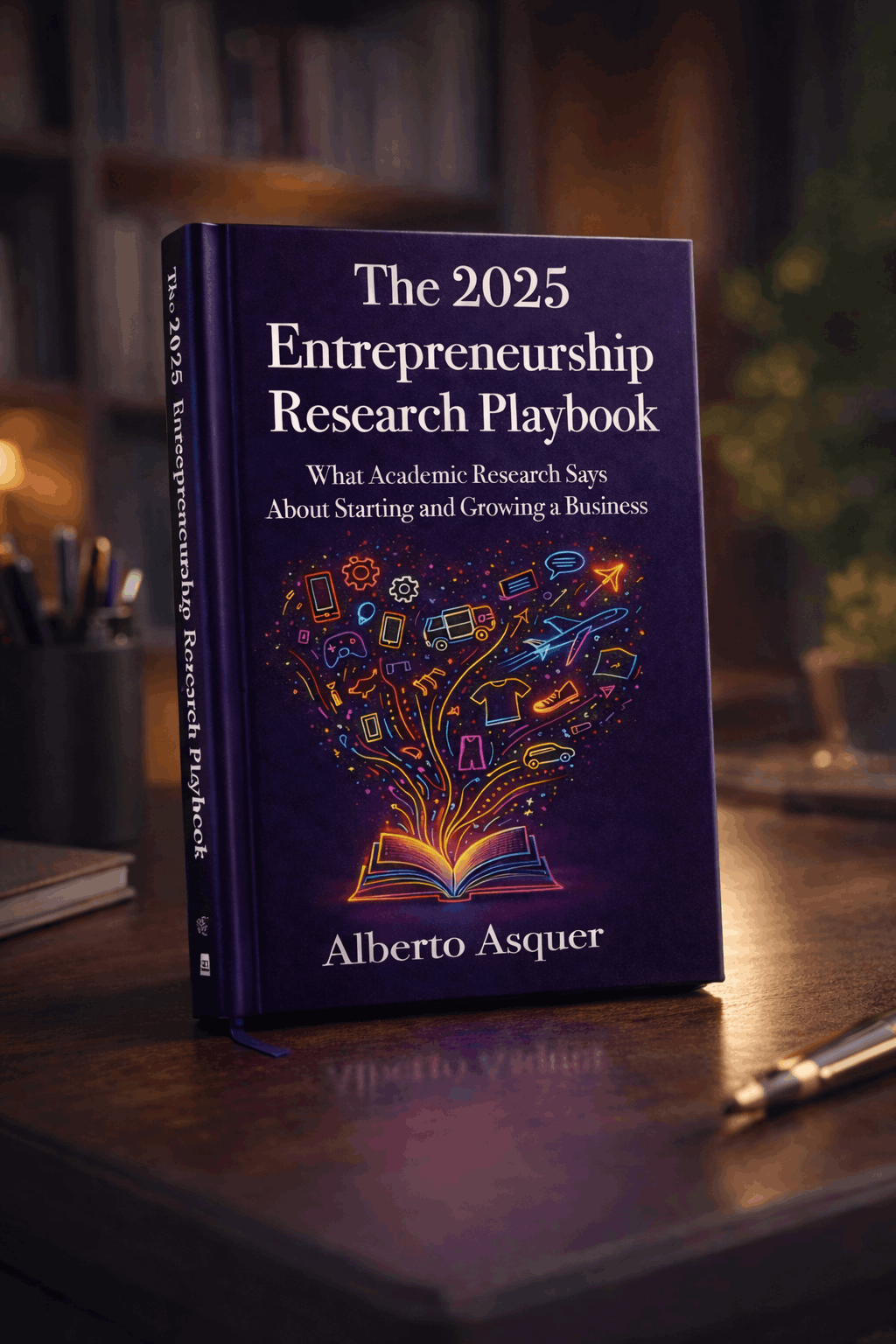
Chapter 4 of The 2025 Entrepreneurship Research Playbook dives into the signaling games of modern finance—from the psychology of crowdfunding to the intuitive shortcuts of high-stakes investors—to help you build the trust necessary to scale.
Main Ideas: Winning the Signaling Game
To secure capital, you must bridge the "information gap" between you and your investors. This chapter unpacks the latest evidence on how to communicate quality without triggering skepticism:
The Signaling Tournament: In crowdfunding and pitches, small cues—like updates, visuals, and language tone—act as powerful markers of competence.
* The Hype Threshold: In high-uncertainty sectors like AI, excitement boosts valuation, but only to a point. Beyond that critical threshold, "over-claiming" reputation or capability actually damages credibility.
* The Honesty Paradox: Disclosing risks, when paired with clear mitigation plans, can actually increase trust by signaling authenticity and transparency.
* Alternative Debt Risks: Channels like crowdlending offer speed but carry high penalties; a rejection can be far more damaging to your future credit than a traditional bank refusal.
Practical Applications for Entrepreneurs
1. Tailor Your Signals to Your Audience. Different investors value different things. Reward-based crowdfunders respond to passion and community signals, while equity investors and VCs prioritize human capital, technology readiness, and hard numbers. A "one-size-fits-all" pitch underperforms.
2. Master Cognitive Complexity. Investors use nuanced, comparative language as a proxy for your competence. When you speak, don't just state facts; show that you have compared alternatives and deeply understand the trade-offs of your strategy.
3. Use Sustainability as a Signal. Disclosing your environmental orientation is no longer just "nice-to-have". Visible green profiles can increase funds raised by over 70% in crowdfunding and secure better pre-IPO outcomes, especially when validated by reputable lead investors.
4. Build Your Digital Credibility. For many banks and alternative lenders, your digital readiness—such as adopting smart tools and maintaining clean digital records—serves as a primary signal of your competence and growth potential.
Become Investable
Stop chasing "easy money" and start designing trust. Learn how to align your funding strategy with your long-term viability and protect your venture from the hidden risks of modern finance